
Polyurethane (PU) Flooring in Chennai
If your floor deals with hot water washdowns, steam cleaning, chemical spills, or constant thermal swings, standard epoxy usually isn't built to survive it. Polyurethane (PU) flooring is. At Chemcoats, backed by over 17+ years of experience from our team, we install PU systems engineered specifically for Chennai's food processing, pharmaceutical, and heavy manufacturing facilities — environments where a rigid coating would crack within months. Explore how PU fits into our full range of industrial flooring solutions.
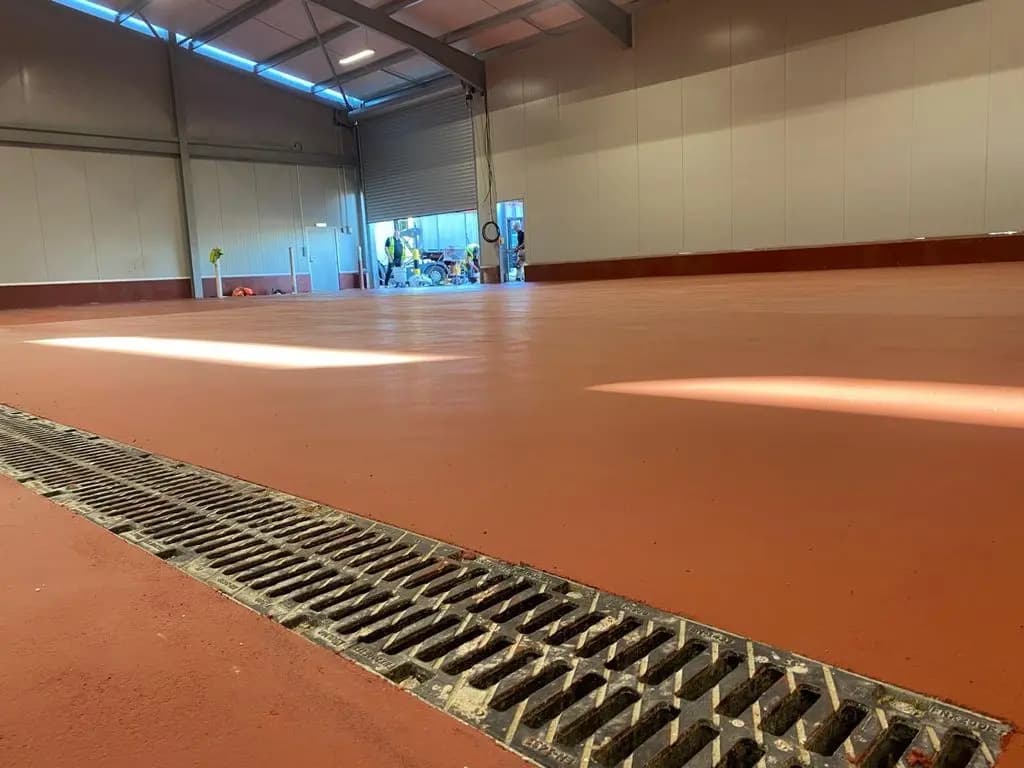
What Makes PU Flooring Different From Epoxy?
Epoxy is rigid. It handles abrasion and static loads well, but it's brittle under rapid temperature change and prone to cracking when a hot process floor cools quickly, or vice versa. Polyurethane retains flexibility even as temperatures shift, which is why it's the standard specification for kitchens, breweries, pharmaceutical production floors, and any facility running steam-cleaning cycles.
PU is also more resistant to a broader range of chemicals and acids than standard epoxy, making it a better long-term investment anywhere spills are a regular occurrence rather than a rare event.
Where PU Flooring Performs Best
Key Properties of Our PU Flooring Systems
PU Flooring Installation Process
Every PU installation starts with surface assessment and preparation — grinding the existing substrate, checking moisture levels, and repairing any cracks before application. The PU system is then applied in controlled layers to the specified thickness, with curing time built into the project schedule so the floor isn't returned to use before it's fully cured. We sequence installations by zone wherever possible to avoid shutting down your entire facility at once.
PU Flooring vs. Epoxy Flooring — Which Do You Need?
If your facility runs hot processes, steam cleaning, or handles aggressive chemicals daily, PU is almost always the better long-term investment despite a higher upfront cost — because it avoids the repeated recoating cycles that epoxy requires in these conditions. If your environment is dry, temperature-stable, and mainly deals with foot and light vehicle traffic, standard epoxy remains a cost-effective option. Our site assessment will confirm which fits your specific case.
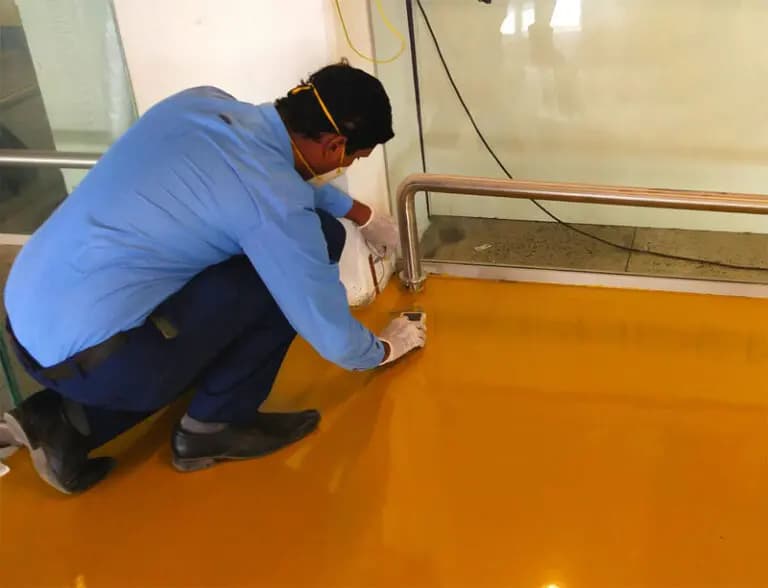
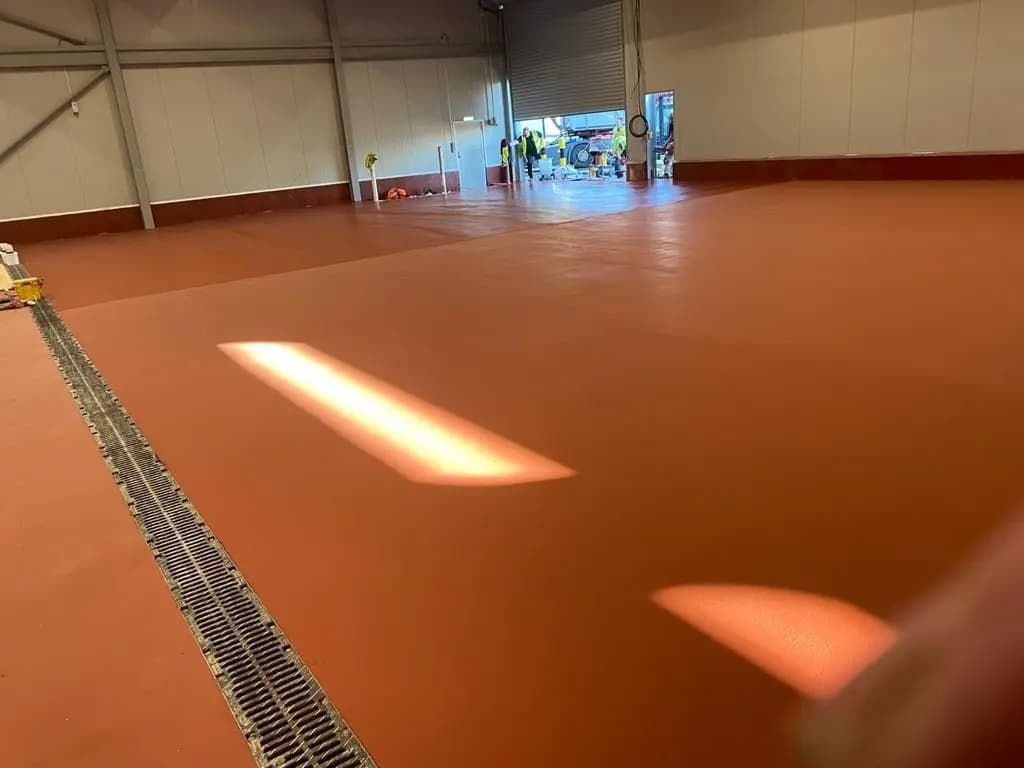
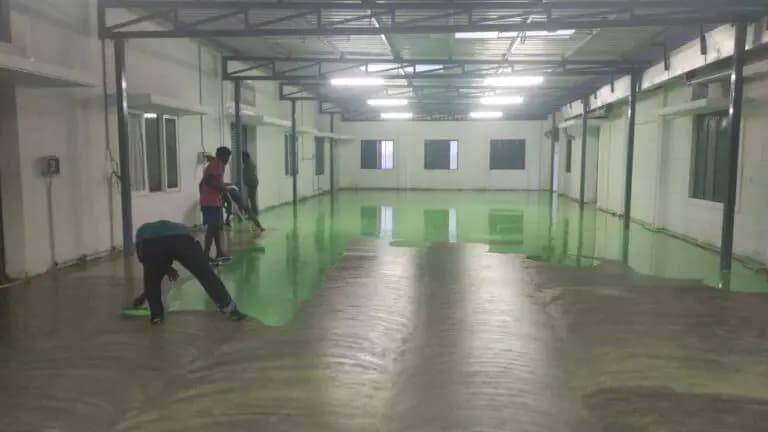
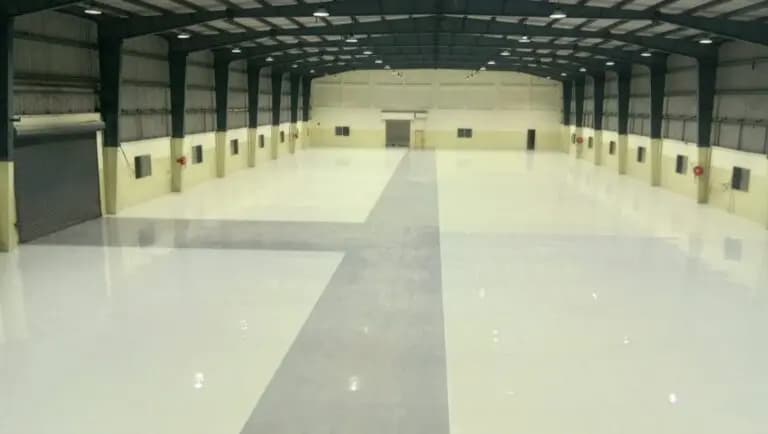
Polyurethane Flooring Images
Frequently Asked Questions
Request a Free PU Flooring Consultation
Get a site assessment and detailed quote for your facility — no obligation.