
ESD Anti-Static Flooring for Pharmaceutical Manufacturing
PROJECT DESCRIPTION
An ESD (Electrostatic Discharge) anti-static floor is employed to limit static accumulation (static build-up) and electrostatics discharge (static discharge across working, handled, and exposed areas) of sensitive electronic devices, which in turn safeguards electronic devices and stops costly destructions in areas like electronics production, clean rooms, and laboratories. Floors are made from a series of materials, each of which has its own properties which give them respective advantages in respect of the work space’s needs. ESD vinyl flooring is one of the most common, i.e., with conductive elements it consists of vinyl. It provides a smooth, nonporous, wear-resistant, and easy-to-maintain surface, which is a promising option for applications where continuous required conductivity is needed, such as assembly lines or server rooms. ESD rubber flooring, however, is just rubber compounds impregnated with conductive fillers, and provides the best slip resistance, comfort, as well as durability.
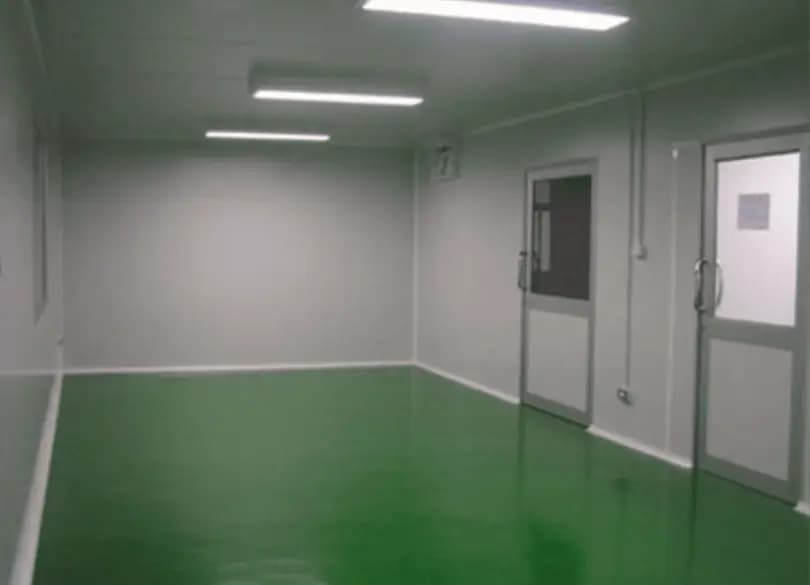
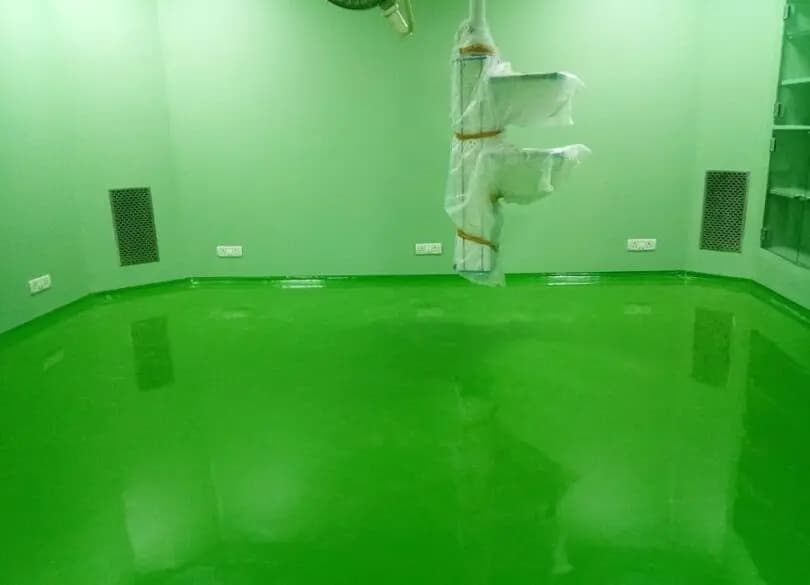
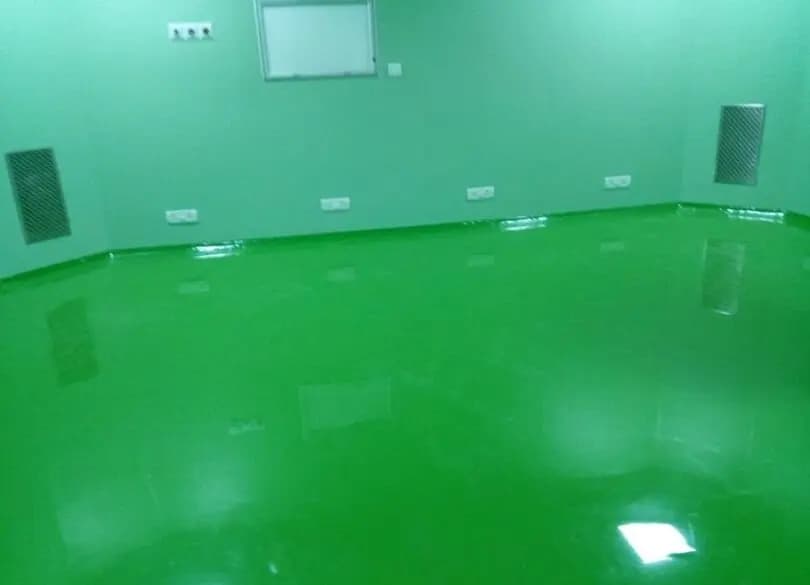
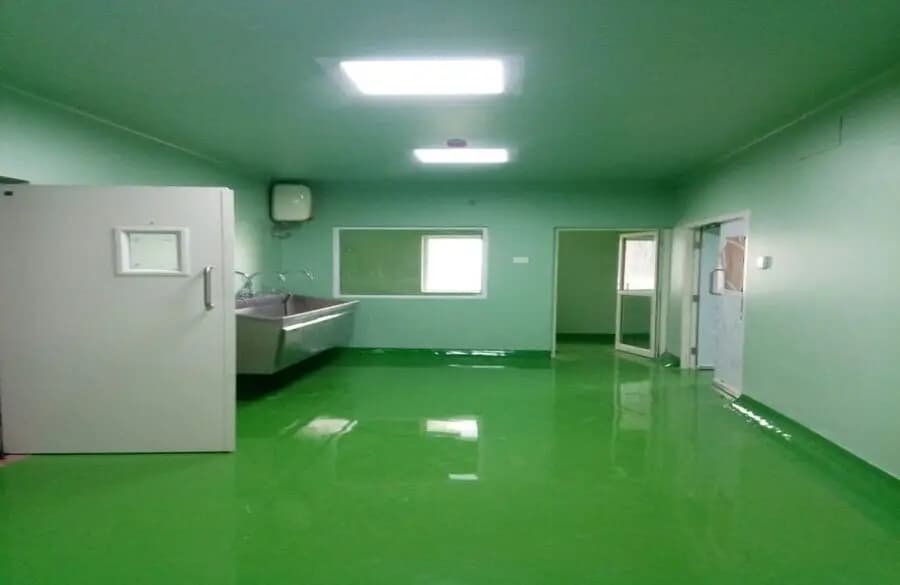
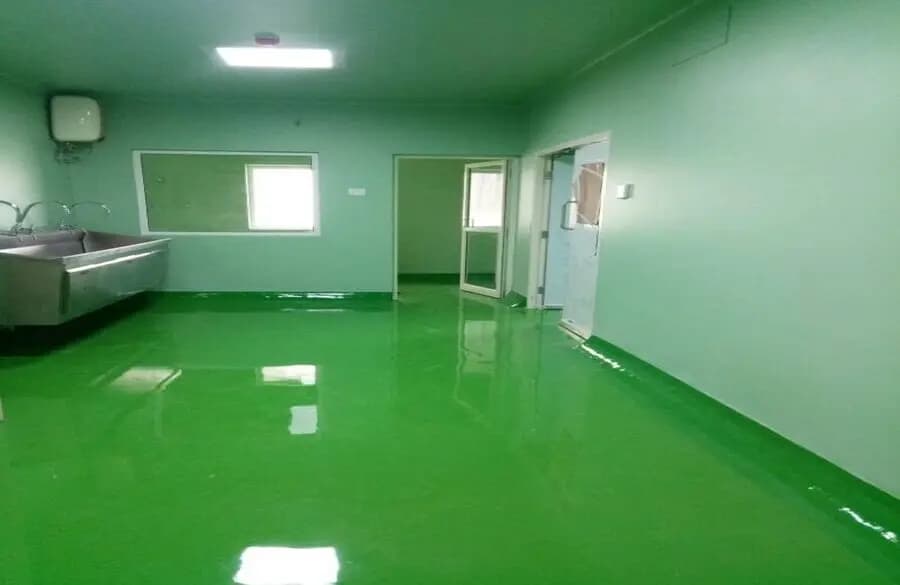
Such floorings are routinely used in the situations where the employees are in statuesque position for prolonged periods or where skid resistance is also required. ESD epoxy flooring is a nice solution to those who want a wide and durable construction. Its construction is based on a self-levelling epoxy resin providing a hard, wear-resistant surface suitable for such cutting-edge technologies as clean rooms and laboratories. Electrostatic discharge (ESD) tile flooring (e.g., vinyl or ceramic tiles) provide a plug-and-play option for ESD protection in that, porous tiles, which can get damaged, can be simply replaced without ruining the anti-static field. Second, conductive carpeting tiles offers a visually appealing, comfortable alternative for the office or industrial settings in which a more cushioned surface is desired while static control is required.