
EXPANSION JOINTS
Expansion joints are used to compensate thermal expansion and contraction of building materials, avoiding cracks and damage to the structure from temperature changes.

Why Expansion joints are important?
Stress Mitigation : Expansion joints play an important role in controlling the stress and strain of structures, particularly in big structures, bridges and infrastructure, which are subject to temperature changes. They stop the buildup of stresses that may lead to structural failure.
Preventing Cracking : These articulations play a key role in preventing potentially damaging cracks that can arise from thermal expansion, contracting, and settling and, as such, protect the integrity of the structure of the material that they are built from, such as concrete and asphalt.
Dimensional Stability : They keep dimensional stability, that planes do not alter shape and size while temperature and humidity changes occur.
Hygiene : Epoxy is very easy to clean and to maintain, thereby creating a very sanitary working environment, which is of particular importance in industries such as pharmaceuticals or in processing food.
Maintenance Reduction : Properly designed expansion joints minimize maintenance requirements, reducing the need for costly repairs and enhancing the longevity of structures.
Safety Assurance : Expansion joints enhance safety by preventing trip hazards that can result from uneven surfaces and surface discontinuities.
Structural Longevity : By reducing the risk of damage, expansion joints help extend the lifespan of infrastructure, such as buildings, bridges, and pavements.
Seismic Resistance : In regions prone to seismic activity, expansion joints play a crucial role in allowing for controlled movement during an earthquake, thereby enhancing the seismic resistance of structures.
Waterproofing : They are a watertight barrier that prevents capillary absorption of moisture into buildings and deterioration with time.
Architectural Flexibility : Expansion joints permit structural flexibility to enable movement of other structural components, e.g., facades, without affecting structural integrity.
Compliance and Codes : These are frequently mandated by building codes and engineering practices, guaranteeing structures conform to regulatory guidelines for safety and performance.
Infrastructure Functionality : In the infrastructure of transportation, such as roads and bridges, expansion joints do the right job providing a confortable and safe driving of vehicles by allowing materials to expand and contract according to temperature variations.
Noise and Vibration Control : In certain applications, expansion joints may be used to regulate noise and vibration caused by the movement of vehicles and/or machinery which contribute to a quieter environment.
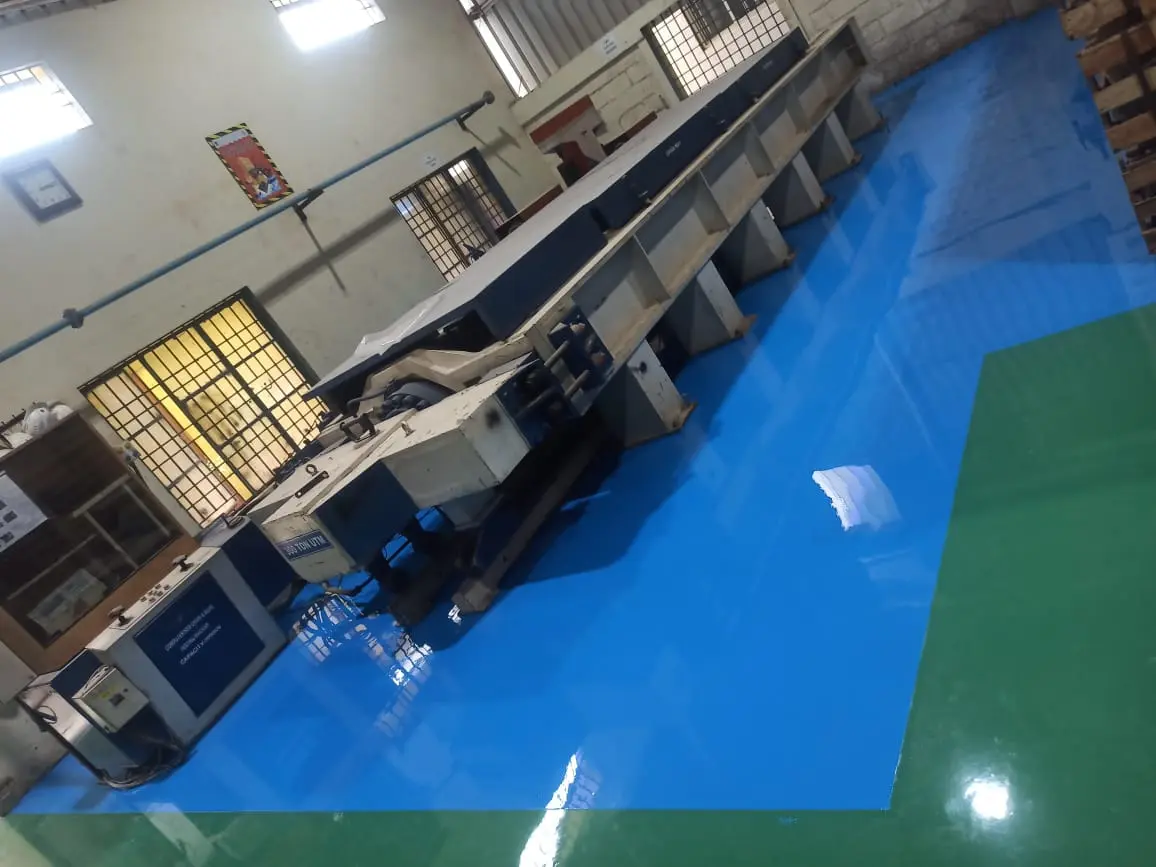
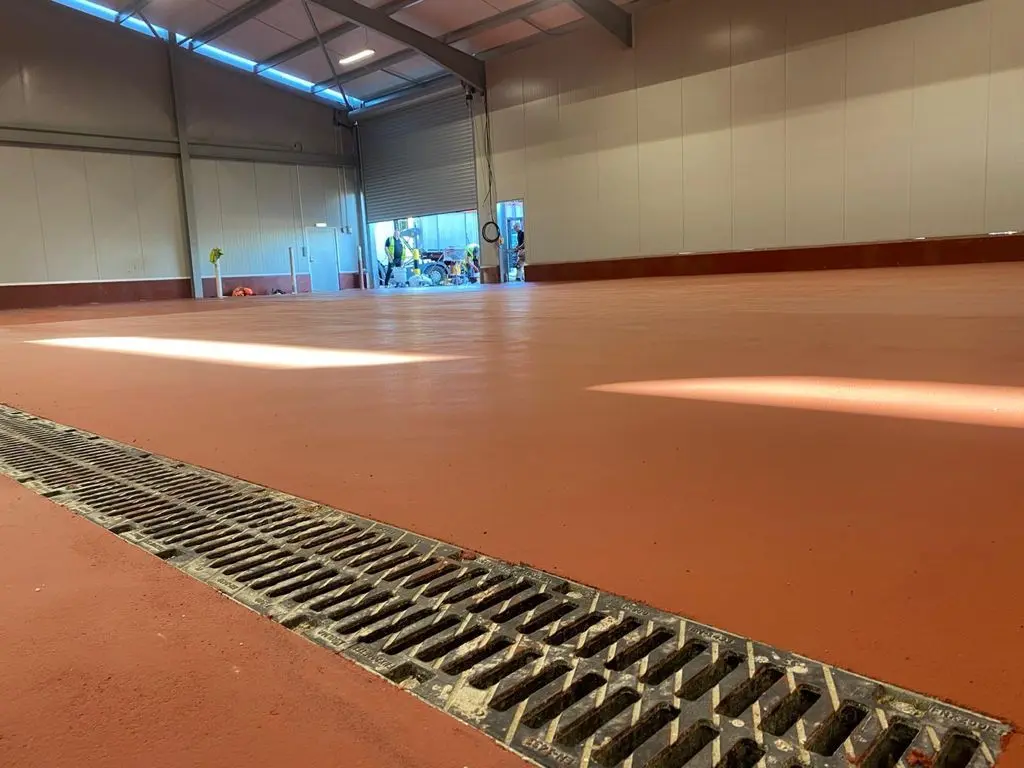
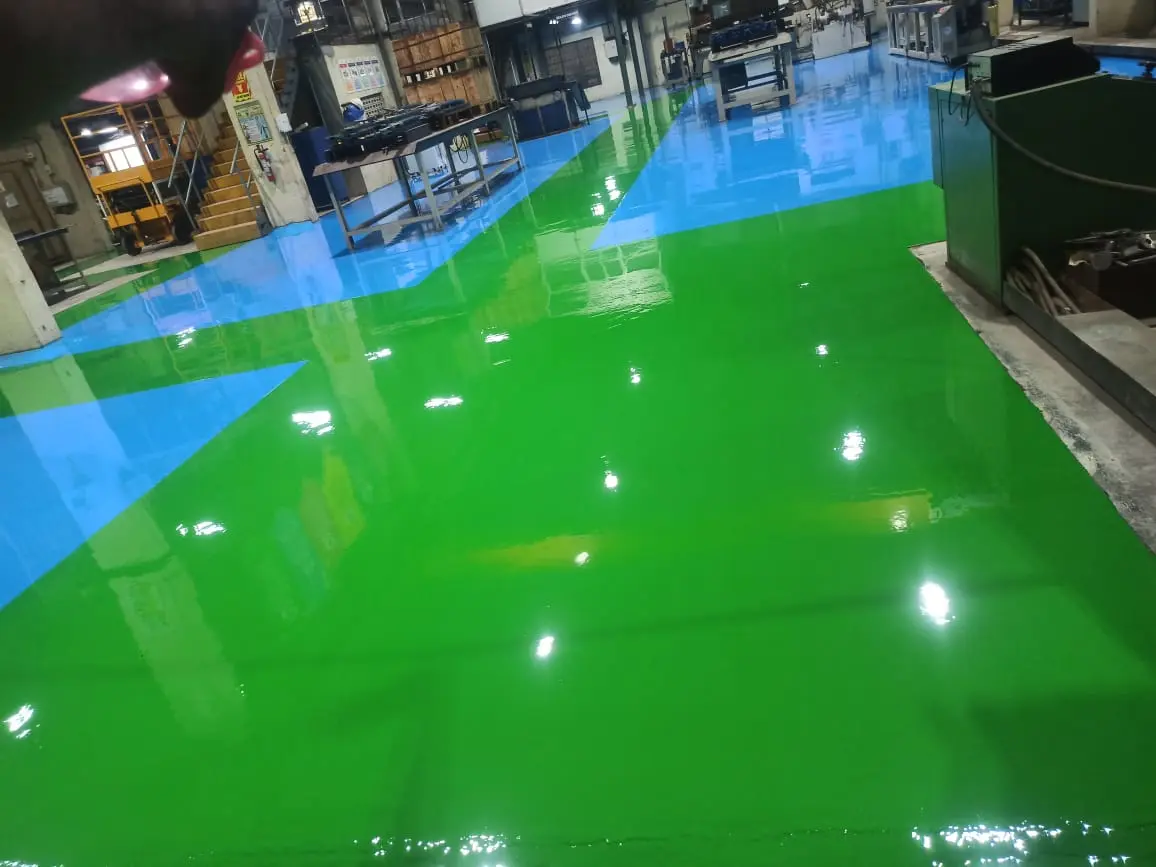
Expansion Joints Images :
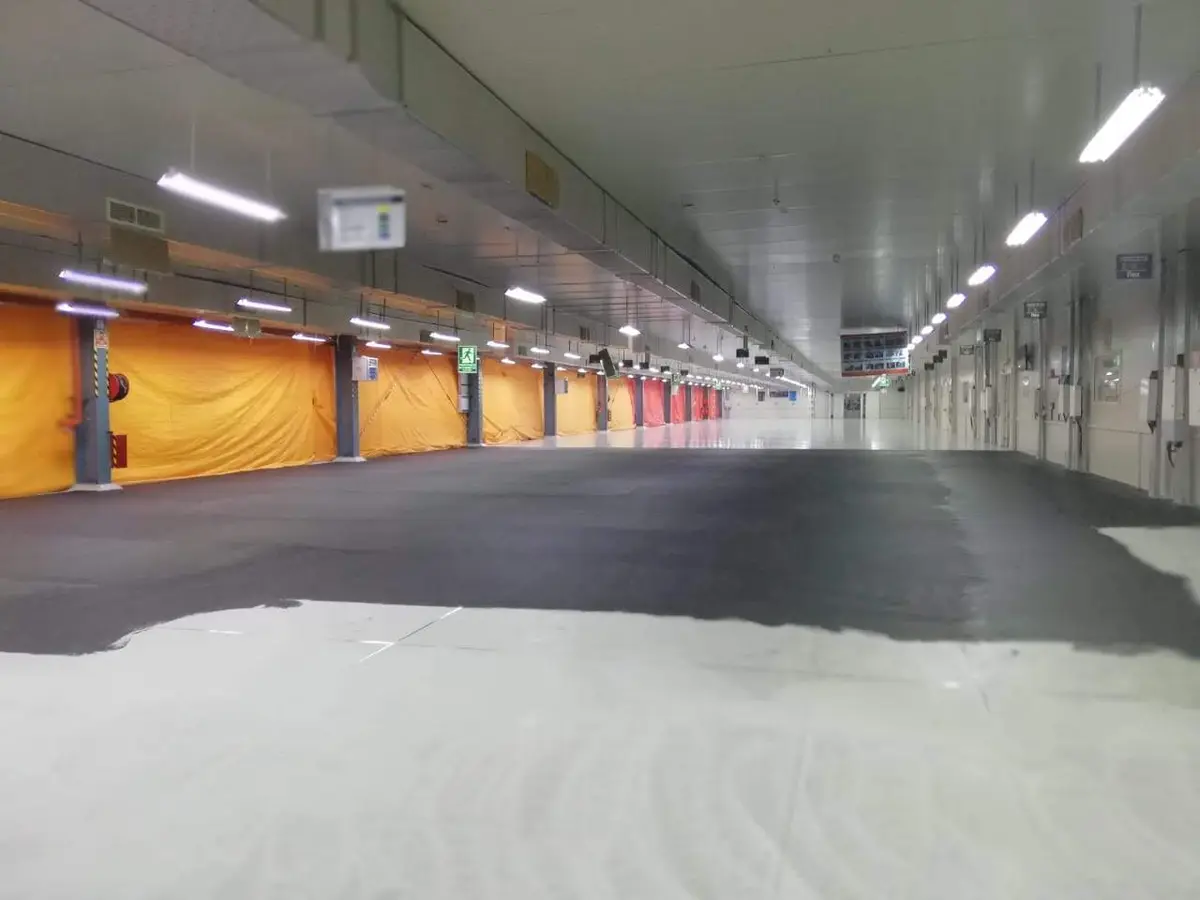
Applications in which expansion joints are employed :
Building Construction : For building commercial and residential structures with the aim of preventing concrete floor, wall, and ceiling cracks. In high-rise buildings to allow for vertical movement caused by wind loads and thermal expansion. In facades to accommodate movement between different building materials.
Bridges and Highways : Expansion joints are one of the key components in the construction of bridges for the purpose of the growth and shrinking of bridge elements caused by the temperature variation.
These can also be applied to the highway construction with the aim of providing smooth continuous transitions between different road sections and avoidance of damage due to vehicle traffic and thermal effects.
Airport Runways and Taxiways : Expansion joints are incorporated to airport pavements so that the surface is smooth and safe for aircraft and to avoid car damage from airplane weight and movement.
Railroad Tracks : Expansion joints are used in railway structures to accommodate the bending and warping of rails due to thermal expansion and contraction and guarantee safe and effective train operation.
Parking Structures : Expansion joints are incorporated into the multi-story parking garage to avoid structural damage and to create a more compliant driving surface for vehicles.
Industrial Facilities : In manufacturing plants, as well as in industrial plants, expansion joints are employed to accommodate vibrations and to compensate for the travelling of heavy machinery, in addition to serving a major area of piping systems leak prevention.
Water and Wastewater Treatment Plants : Expansion joints are applied to the construction of tanks, basins and pipes to allow for the expansion and contraction of water and to prevent damage caused by settling or ground movement.
Marine Structures : Expansion joints in docks, piers, and seawalls protect against the dynamic loads of water and tides and thus the lifespans of maritime structures.
Oil and Gas Industry : Expansion joints are incorporated in pipelines and refineries to accommodate thermal expansion and contraction, thus relieving stress and preventing leaks.
Commercial Kitchens : Expansion joints are included in the floor of restaurants and commercial kitchens to resist the impacts of heavy traffic and temperature changes.
Sports Stadiums : Expansion joints are fitted in seating areas of the stadium to allow for movement and to have a spectator safety.
Public Transportation : Expansion joints in subway and light rail systems accommodate expansion in tunnels and rail tracks to prevent the damage of structures.
Tunnels : Expansion joints are inserted in tunnel in order to leave space for thermal expansion and/or settling of the ground.
Energy Generation Facilities : Expansion joints on equipment (such as boilers and chimneys and exhaust systems) in power plants and energy generating plants, due to thermal fluctuations, are accommodated in the form of expansion joints.
Advantages
- Accommodates Structural Movement
- Prevents Cracking and Stress
- Enhances Durability
- Seamless Integration
- Moisture and Weather Resistance
- Thermal and Elastic Performance
- Absorbs Vibrations and Impacts
- Prevents Displacement
- Customizable Materials and Designs
- Compliance with Building Standards
- Reduces Maintenance Costs
- Improves Safety
Our Other Industrial Flooring Services